Forecast sales for a new store before the deal closes
Labs builds a sales forecast on your own stores, with your team. Once it's built, it forecasts any site in under 10 seconds.
1 BroadwayCambridge, MA
Forecast
Site properties
First-year sales
$664K↑ 4% vs comparables
Forecast
$664K$598K to $737KComparables
$640K$500K to $790KNo data team to hire. No black box to defend.
The first 30 days
Discovery
Your sales history shows who your customer is and what drives sales.
The next few months
Build it together
Weekly back and forth until your team can defend every input.
Before you rely on it
Test it on every store
Each one forecast as if it were new, then checked against what it sold.
From then on
Run it in seconds
Then it sits in the platform, answers in seconds for any site you check, and gets a refresh every quarter.
How many more stores will your markets hold?
Labs sizes your footprint the way it builds a forecast: on your own stores, with your team. Every count comes with what it assumed, so you can argue with it.
- Stores each metro can support.
- Markets ranked in the order to open.
- How much overlap a new store is allowed.
Built with your team, tested on your stores
Meet the Labs teamQuestions go to the person who built the model
You get weekly calls and direct Slack access to a named, US-based data scientist, with no ticket queue or handoff.
“What sets GrowthFactor apart is they're not just handing us software — they're in the trenches with us every week. Our GrowthFactor team knows our brand, our markets, and our strategy. It's like adding a senior member to the real estate team without the headcount.”
You see the test before you rely on it
Results come back for each store, including wins and misses, giving your team a clear view of where the model performs well and where to challenge it.
“These stores are outperforming our pro formas and our projections quite handsomely and quite consistently”
It reads the site, not a circle around it
It considers co-tenants at the actual retail node, not everything within an 800-meter radius, plus site traits such as operating hours and how busy the location gets.
“GrowthFactor's understanding of what truly matters in site selection helps us choose sites that meet our operational and customer needs seamlessly.”
Every forecast shows its math
Each input is named. Turn any one off and see how the number changes. Your team helped build it, so your team can explain the result.
“Other services hide behind black-box models that are hard to trust. The beauty of GrowthFactor is they make site selection incredibly simple, and give us clear unbiased recommendations.”
Their next stores sold more per square foot
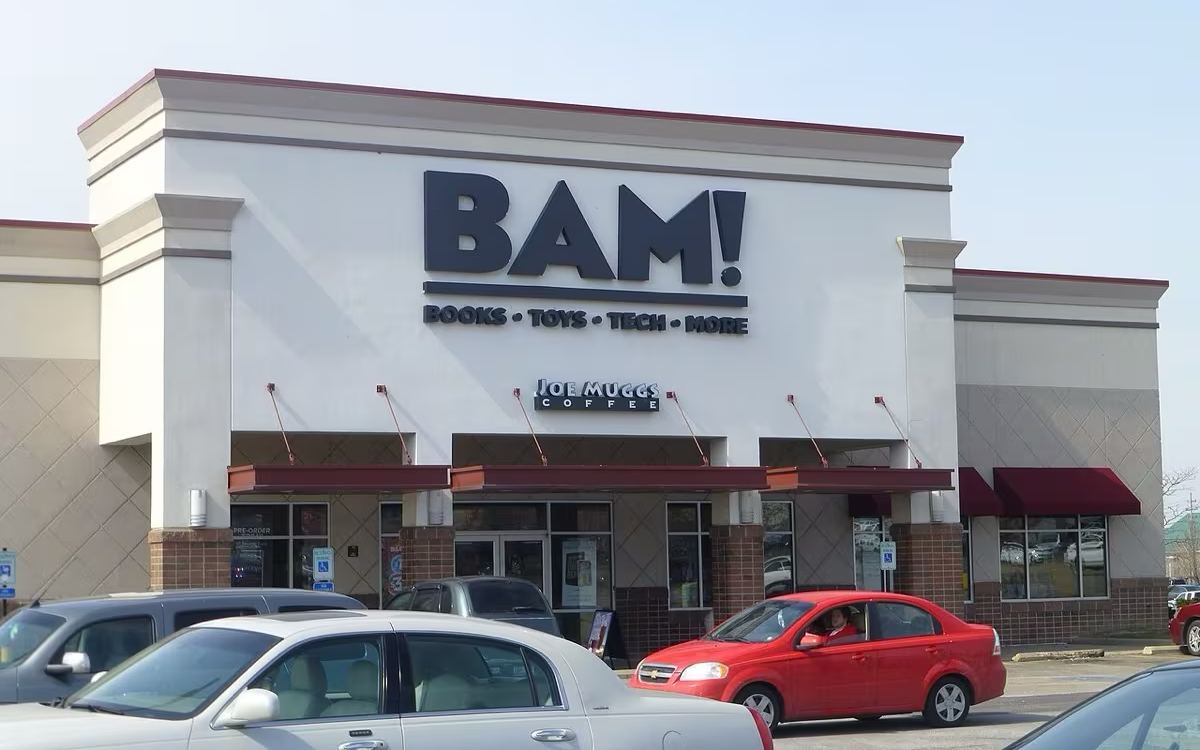
14.1%
More sales per square foot in Books-A-Million's 2025 openings than in 2024's.
“We thought we understood what made a good site. GrowthFactor showed us our primary KPI was hiding the real story — and the variables we'd been ignoring were the ones that actually predicted revenue. Now every forecast is built on what drives our business, not assumptions we never tested.”
Start with thirty days on your own sales
Discovery finds who your customer really is, which variables drive your sales and your true trade area. Every forecast starts there.
$5,000, free for brands with 40+ stores.
Start Discovery
Before the first model
Generally 40 or more mature stores with revenue data. The model learns from your own sales history, so it needs enough open, stable stores to find the variables that drive revenue. Discovery, a 30-day analysis of that history, is the first step.
A few months. GrowthFactor Labs builds and fine-tunes the model with your team through regular back and forth, starting with Discovery. Building the model takes months; running it takes seconds.
Every store with a sales history is tested separately: we hold it out, forecast it as though it were new, and compare that forecast with what it actually sold. You see each store's results before relying on the model.
You work directly with the data scientist who builds your model, on weekly calls and direct Slack. Your team sees every input and can switch each one off, so they can explain the number themselves.
Under 10 seconds. Once built, the model runs inside the GrowthFactor platform. Enter an address or drop a pin and the forecast comes back as fast as a site evaluation. Teams can toggle inputs on and off to see how each one moves the forecast.
Yes. The platform can load a forecast model built somewhere else, including by another company, alongside the Labs model. Teams keep several models and toggle between them on the same site.
Yes. Whitespace for one metro runs in the platform: ask the Agent for the blocks that pass your rules and sit clear of your stores, and it ranks and pins them. Labs takes it across your whole footprint. It works out how many stores each metro can support from how your own stores perform, ranks the markets in the order to open them, and sets how much a new store may overlap the ones you run.
No. Your model is built on your stores and serves only your brand. Store sales data is never pooled across retailers, and nothing learned from your data informs another client's model.
With Discovery, a 30-day analysis of your sales history. It's normally $5,000 and free for qualifying brands with 40+ stores. Forecasting work in Labs follows from what Discovery finds.
Bring the store you can't explain
Live in a daySOC 2 compliantMIT Sloan Most Disruptive MBA Startup, 2025