
The Ultimate Menu: Listings of Restaurant Franchises Ready for Purchase
Why Restaurant Franchises Are America's Fastest Path to Business Ownership

A restaurant franchise for sale is one of America's most accessible paths to business ownership. For those exploring opportunities, here's a quick overview:
Quick Answer: Finding Restaurant Franchises for Sale
- Investment Range: $200,000 to $2 million for most concepts.
- Where to Look: Franchise directories, business brokers, and franchisor websites.
- Popular Categories: Fast-casual, chargrill chicken, sandwich shops, and pizza.
- Timeline: 6-12 months for new builds; faster for existing resales.
- Support Included: Training, marketing, operational systems, and ongoing guidance.
The U.S. restaurant industry is an $800 billion powerhouse, making up 4% of the GDP. With over a million locations and Americans spending an average of $3,000 annually on dining out, the opportunity is immense.
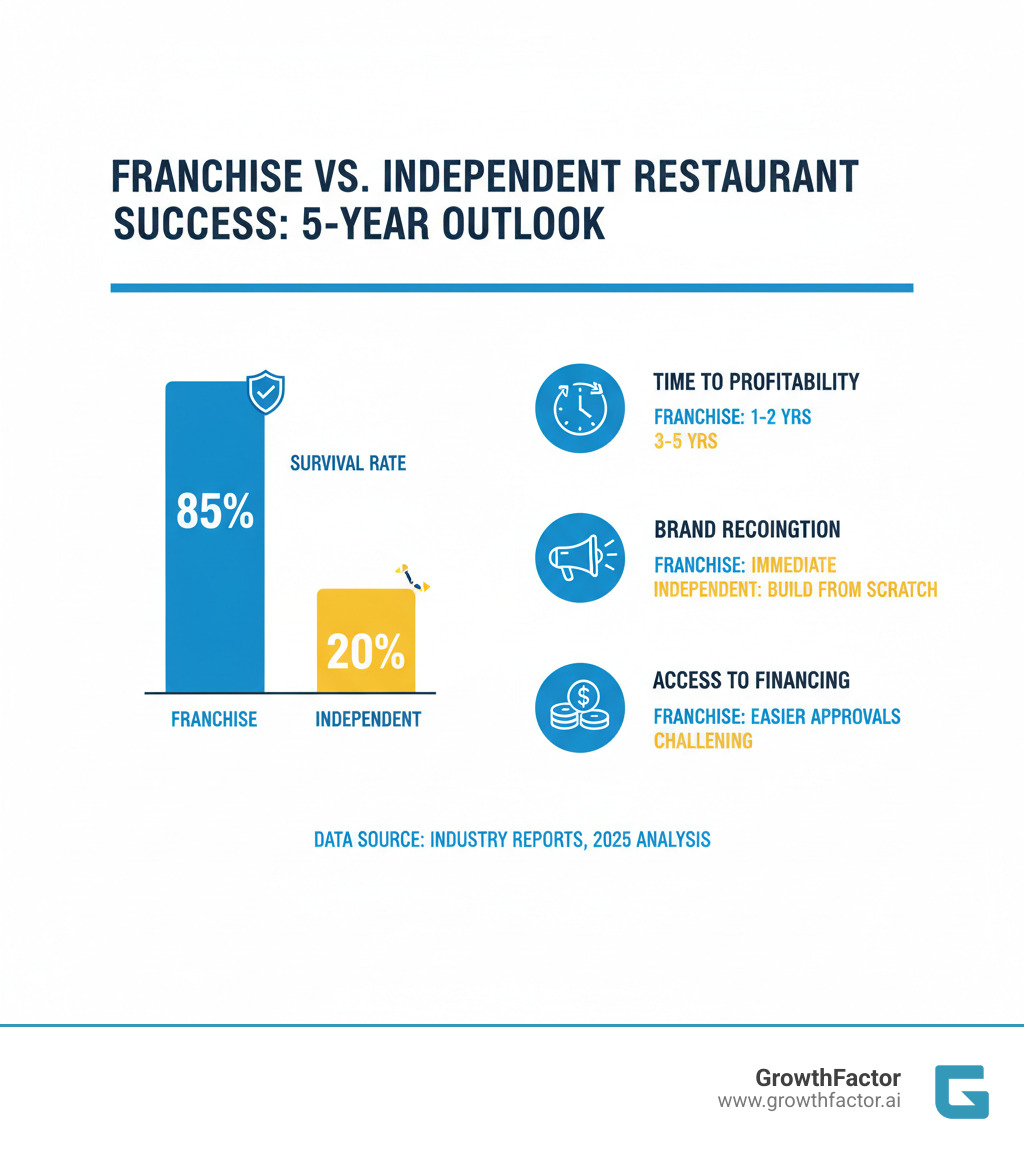
Franchising is attractive because it offers a proven business model. While independent restaurants may not see a profit for years, franchises often recoup their investment much faster, thanks to built-in brand recognition, established supply chains, and a support system that significantly reduces risk.
The initial investment of $200,000 to $2 million buys more than just a lease and equipment; it secures a tested system with marketing, training, and operational support. Lenders recognize this value, making it easier to secure financing for a franchise than for an unproven independent concept.
I'm Clyde Christian Anderson, Founder and CEO of GrowthFactor.ai. With over a decade in retail real estate, I've analyzed thousands of sites for expanding brands. For any restaurant franchise for sale, location is critical. That's why we built AI-powered tools to help franchisees make smarter, faster expansion choices.
Why a Franchise? The Recipe for Reduced Risk and Faster Growth
When considering a restaurant franchise for sale, you're choosing a path with a proven roadmap over starting from scratch. A franchise offers an invaluable asset: a business model tested across hundreds or thousands of locations.
Brand recognition is an immediate advantage. Customers already know and trust the name, giving you a built-in audience from day one. This allows you to focus on execution rather than spending years and significant marketing dollars building a reputation.
Financially, franchises have a lower failure rate, which translates to better financing terms and higher approval rates from banks. You also gain access to established supply chains, benefiting from volume discounts and distribution networks that would take years to build independently.
The Support System You Can Expect
A restaurant franchise for sale comes with a team of experts. This support is crucial, especially in the first few months.
- Training Programs: Comprehensive training covers everything from food prep and customer service to financial reporting, often including hands-on experience in existing locations.
- Marketing Support: You'll receive professionally designed materials and plug into national advertising campaigns, rather than creating a marketing strategy from scratch.
- Operational Guidance: Detailed manuals, regular check-ins, and access to best practices from the entire franchise system help you solve challenges efficiently.
- Peer Network: Annual conferences, regional meetings, and online forums connect you with other franchisees who share insights and solutions.
- Technology: Turnkey POS systems, online ordering platforms, and reporting tools are typically provided, saving you the effort of vetting and implementing technology.
- Site Selection: Most franchisors assist in choosing a location, using data and experience to identify sites with a high probability of success. For brands looking to improve this process, retail expansion planning tools can identify optimal locations with greater confidence.
Franchise vs. Independent: A Head-to-Head Comparison
The two models differ significantly on key factors:
| Feature | Franchise Business | Independent Restaurant |
|---|---|---|
| Startup Time | 6-12 months with clear milestones | 12-24 months with many unknowns |
| Brand Building | Instant recognition from day one | Years of marketing to build awareness |
| Creative Control | Follow established guidelines and standards | Complete freedom over concept and operations |
| Initial Cost | $200,000-$2,000,000 including franchise fee | Often lower upfront but hidden costs emerge |
| Ongoing Fees | 4-8% royalties plus 2-4% marketing fees | No franchise fees but higher self-funded marketing |
| Support Systems | Comprehensive training, marketing, and operations | Learning through trial and error |
The risk reduction with franchising is clear in survival rates: established franchises have failure rates below 15%, compared to roughly 60% for independents in the first three years. This is due to proven systems and support.
This track record also leads to financing favorability. Banks can assess risk based on system-wide results documented in the Franchise Disclosure Document, whereas independent owners rely on personal credit and speculative business plans. This structure also contributes to a faster speed to profitability.
The trade-off is creative control. As a franchisee, you agree to operate within the franchisor's guidelines. For most entrepreneurs, especially those new to the industry, this structure is a key ingredient for success. You're buying a perfected recipe, not creating one from scratch.
The State of the Plate: US Restaurant Industry Trends
The US restaurant industry is in a constant state of evolution, with recent years accelerating change at an unprecedented pace.
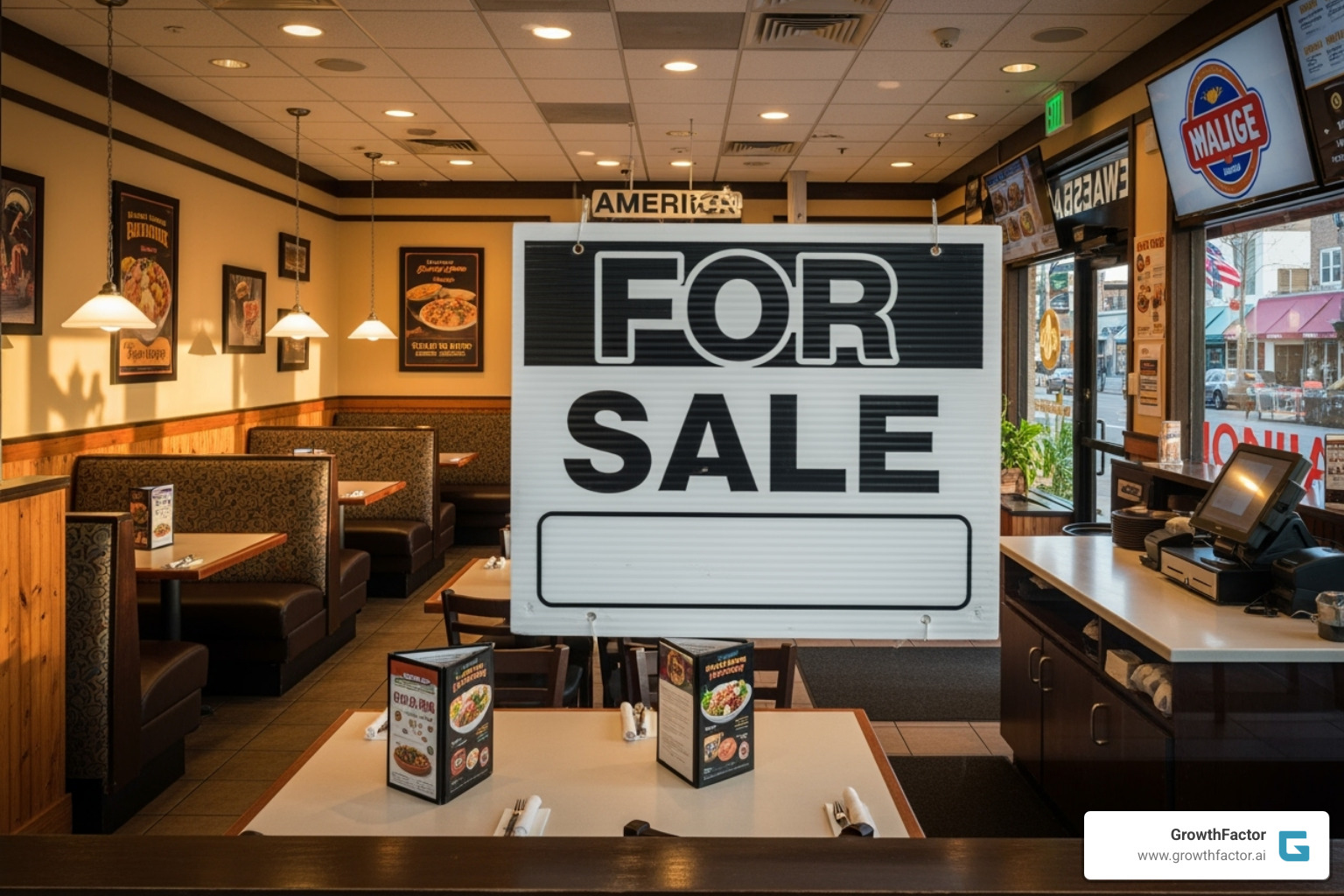
The sector has shown remarkable resilience, with sales more than doubling since 2000 and a strong post-pandemic recovery. The most dramatic shift has been the explosive growth of delivery and take-away services. Convenience is now a primary driver of dining decisions, and this digital pivot has fundamentally reshaped restaurant operations. Many restaurant franchise for sale opportunities now include robust delivery infrastructure.
The digital change extends beyond delivery to include real-time digital menus, contactless payments, and sophisticated loyalty programs. At the same time, a counter-trend has seen nostalgic concepts like all-you-can-eat buffets making a strong comeback, highlighting the enduring appeal of social dining experiences.
Another powerful trend is the demand for healthy and sustainable eating. Diners, especially younger generations, want fresh, locally sourced ingredients, plant-based options, and transparency in sourcing. This is a fundamental shift in consumer values.
For anyone evaluating a restaurant franchise for sale, understanding these trends is essential. Modern tools like AI-Powered Retail Analytics provide crucial insights into market demand and consumer behavior, helping you make data-driven decisions for site selection and operations.
Exploring the Menu: Finding a Restaurant Franchise for Sale
The search for a restaurant franchise for sale reveals a diverse landscape of opportunities beyond traditional sit-down restaurants.

Here are the main categories you'll encounter:
- Quick Service Restaurants (QSR): Classic fast food built around speed, convenience, and drive-thru service.
- Fast-Casual: A booming segment that bridges the gap between fast food and traditional dining, offering higher-quality ingredients in a counter-service format.
- Casual Dining: The classic sit-down restaurant experience with table service, including family-style restaurants and sports bars.
- Fine Dining: A rare franchise category focused on gourmet cuisine and sophisticated service.
- Specialty Concepts: Includes juice bars, bakeries, coffee shops, dessert concepts, and ghost kitchens, often requiring smaller footprints and lower initial investments.
Popular and Successful Franchise Categories
Certain categories are thriving by meeting current consumer demands.
- Mexican Grills: Offering customizable bowls and burritos with fresh ingredients, appealing to health-conscious diners who want bold flavors.
- Chargrill Chicken Concepts: Tapping into the demand for flavorful comfort food that is perceived as healthier than fried alternatives.
- Gourmet Sandwich Shops: Elevating the classic lunch option with premium ingredients and creative combinations that command higher price points.
- Pizza: An American staple that remains resilient with formats ranging from dine-in and delivery to take 'n' bake models.
- Healthy Bowls and Smoothies: A fast-growing segment catering to consumers who prioritize nutrition and convenience.
- Dessert and Specialty Concepts: Unique concepts like gourmet donut or ice cream shops that create a destination experience and can achieve high margins.
When evaluating any restaurant franchise for sale, location is critical. Understanding market demand and competition is key to success. Data-driven tools, such as those used for Using AI for Real Estate Brokers, can help identify optimal sites before you commit capital. The right concept in the right location is a recipe for success.
Decoding the Investment: Costs and Potential ROI
Understanding the financial commitment is essential when evaluating a restaurant franchise for sale. The numbers are more nuanced than a single price tag.
The initial franchise investment typically ranges from $200,000 to $2 million. This covers several key expenses:
- Initial Franchise Fee: The entry fee ($25,000 to $100,000+) for the right to use the brand's name and systems.
- Build-Out and Equipment: Often the largest cost, covering construction, renovation, kitchen equipment, furniture, and signage.
- Initial Inventory and Working Capital: Funds to stock your kitchen and cover operating expenses like rent and payroll during the startup phase.
- Real Estate Costs: A significant ongoing commitment, whether leasing or purchasing. Negotiating favorable terms is critical, as detailed in this Crucial Guide to Leasing a Restaurant.
Beyond the initial investment, you'll have ongoing royalties (a percentage of gross sales) and marketing fees that fund brand-wide advertising. In return, some franchises report impressive Average Unit Volumes (AUVs), with some concepts like The Boil Daddy averaging over $1.6 million per location, demonstrating strong earning potential.
Key Financials When Looking for a restaurant franchise for sale
Serious evaluation requires digging into the financial documents.
- The Franchise Disclosure Document (FDD): This is your most important resource. This legally required document contains 23 sections covering everything from the franchisor's history to your financial obligations. Item 19, which details financial performance, is especially important. Always review the FDD with a franchise attorney and accountant.
- Profitability Metrics: Look for data on EBITDAR (Earnings Before Interest, Taxes, Depreciation, Amortization, and Rent) to understand operational profitability. For example, Jack in the Box reports EBITDAR around 22.3%.
- Return on Investment (ROI) Timeline: Well-managed franchises often achieve profitability much faster than independent restaurants. However, performance can fluctuate, so it's important to review recent trends, not just historical data.
Most franchisors also have net worth requirements to ensure you have the financial stability to launch successfully. Securing financing is a major step, and options include traditional bank loans, SBA loans, and 401(k) rollovers. It's wise to Explore Restaurant Loans and Financing to find the best fit for your situation.
The Step-by-Step Guide to Acquiring Your Franchise
The path to owning a restaurant franchise for sale is a well-defined process that typically takes six to twelve months for a new location, or less for an existing resale.

Your journey begins with self-assessment. Franchisors look for strong leadership, customer service enthusiasm, financial acumen, and a willingness to follow a proven system.
Next is the initial research phase. Browse franchise directories and franchisor websites to find opportunities that match your investment level and interests. Once you find a match, the Franchise Disclosure Document (FDD) review begins. This is the serious stage where you, along with a franchise attorney and financial advisor, will scrutinize the 23-item document. Item 19, which outlines financial performance, is critical. To help with this process, consider this Manual for Buying a Restaurant.
With a full understanding of the investment, the next step is securing financing. Banks view franchises favorably, but you'll still need a solid business plan and personal finances.
From Site Selection to Grand Opening
After signing the franchise agreement, the focus shifts to building your business.
- Site selection is your most critical decision. Your franchisor will provide guidance, but strategic analysis is invaluable. Our team at GrowthFactor helps brands optimize their Site Selection Strategy with AI-powered insights.
- Lease negotiation follows, where you'll secure terms that will impact your profitability for years.
- The build-out and construction phase transforms the space according to brand standards.
- During construction, you'll focus on staff hiring and training, using the franchisor's programs to build a capable team.
- Pre-launch marketing builds community excitement before you open your doors.
- Finally, opening day is the culmination of your hard work and the start of your journey as a franchise owner.
Frequently Asked Questions about Restaurant Franchises
What are the most important skills for a successful franchisee?
Success in a restaurant franchise for sale requires a specific skill set.
- Strong Leadership: The ability to motivate, train, and retain a great team is paramount.
- Financial Management: You must understand your P&L statements, manage inventory, and control costs to ensure profitability.
- Customer Service Focus: A genuine desire to create positive experiences builds a loyal customer base.
- Marketing Acumen: While the franchisor handles national campaigns, you'll drive local marketing to connect with your community.
- Willingness to Follow a System: This is franchising's golden rule. Success depends on adhering to the proven model you've invested in.
- Resilience: The restaurant industry has its challenges. The ability to adapt and maintain a positive attitude is crucial for long-term success.
How has technology changed the restaurant franchise industry?
Technology has fundamentally transformed how restaurant franchises operate.
- Online Ordering and Delivery Integration: Digital ordering through proprietary apps or third-party platforms like UberEats is now a massive revenue stream and essential for visibility.
- Foot Traffic Analytics: Platforms like a Foot Traffic Analytics Platforms provide data to optimize staffing, marketing, and operations.
- Data-Driven Operations: Modern POS systems track sales data, helping franchisees manage inventory, reduce waste, and optimize menus for better margins.
- Automated Marketing: Tools for targeted campaigns and loyalty programs allow franchisees to engage customers effectively without a large marketing team.
- AI-Powered Site Selection: Artificial intelligence analyzes demographic data, traffic patterns, and competitor locations to identify optimal sites for expansion, reducing risk and accelerating growth.
Can I buy an existing franchise location instead of a new one?
Yes, buying an existing franchise, or a "resale," is a common and often faster path to ownership.
The primary benefits are immediate cash flow, an existing staff, and a proven location, which substantially reduces risk. You can review the location's actual financial history to make an informed decision.
However, there are challenges. The location may have outdated decor or equipment requiring investment. You might also inherit operational issues or a difficult staff culture. It's critical to understand why the owner is selling—is it for personal reasons like retirement, or are there underlying business problems?
Thorough due diligence is essential. Review financials, examine the lease, and if possible, talk to the staff. You can Find American Restaurants For Sale on various platforms that list both new and resale opportunities.
Conclusion: Your First Step Towards Franchise Ownership
We've covered the landscape of restaurant franchising, and the key takeaway is this: a restaurant franchise for sale offers a structured pathway to business ownership with a powerful support system.
You're stepping into a proven model within an $800 billion industry. Franchises offer instant brand recognition, established supply chains, and comprehensive training, helping you achieve profitability faster than going it alone. The market is filled with exciting concepts, from fast-casual Mexican to healthy bowl franchises, with investment levels typically ranging from $200,000 to $2 million.
After a decade in retail real estate, I can confirm that the right location is paramount. A great concept can fail in a poor location, while an average one can thrive in an optimal spot. This is where data-driven decisions provide a competitive edge. GrowthFactor's AI platform helps franchise development directors identify the best sites using real-world data on demographics, foot traffic, and market dynamics—eliminating guesswork.
Taking the first step requires courage, but you don't have to go it alone. With thorough research and the right analytical tools, your dream of owning a restaurant is within reach. Learn how to optimize your franchise development strategy and see how our platform delivers the insights needed to make smarter, faster expansion decisions. Your journey starts now.
Citations
The human algorithm
Request Your demo
Schedule meeting
Or submit your information below and we'll be in touch to schedule.